Alex Schmidt · 18 September 2026
Unraveling connections between Asterdrive setups and evolving patterns in mobile-first indexing strategies during seasonal traffic surges
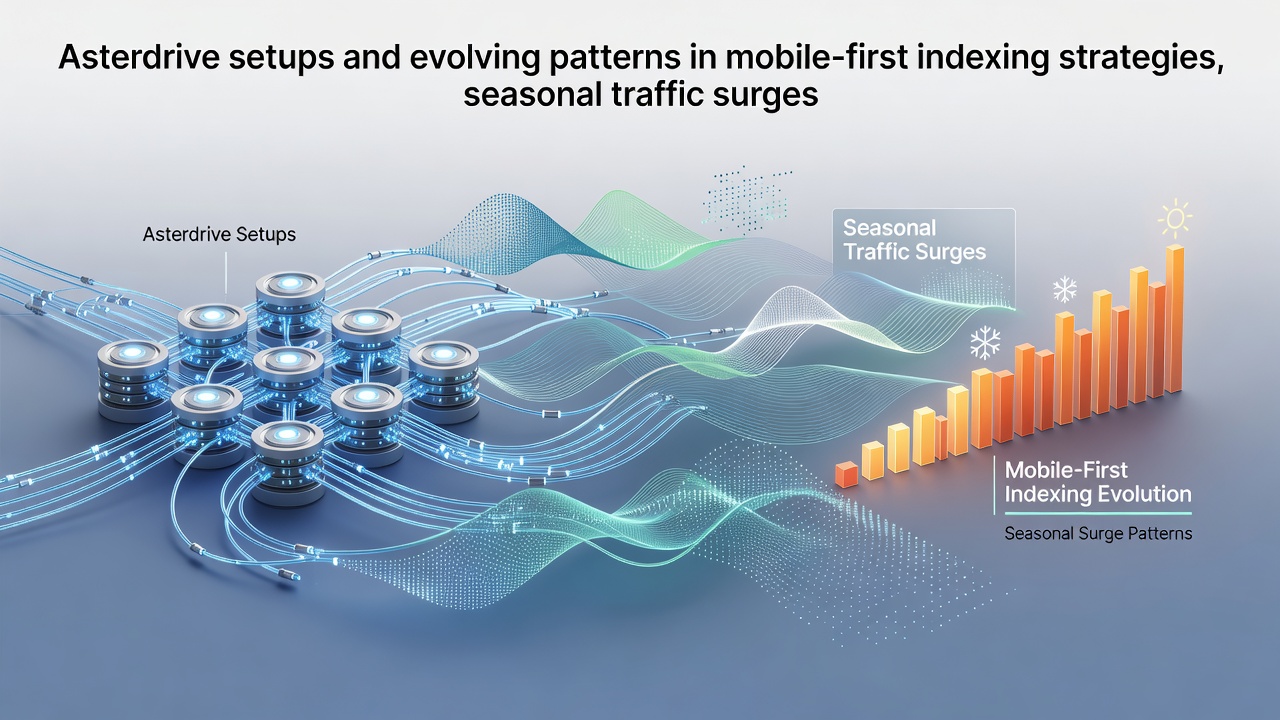
Search engine crawlers have shifted priorities toward mobile versions of sites for years, yet connections between specific hosting and content management setups like those on Asterdrive and mobile-first indexing during periods of heightened demand remain under examination by technical teams. Data from multiple monitoring platforms shows that seasonal traffic increases, such as those around holidays or back-to-school periods, coincide with changes in how indexing algorithms allocate resources to mobile pages. Asterdrive environments, which rely on optimized server configurations and dynamic content delivery, often exhibit distinct crawl patterns when visitor volumes rise sharply.
Core elements of mobile-first indexing in high-demand periods
Google and other engines prioritize mobile content as the primary signal for ranking and indexing, a practice that intensifies when sites experience sudden load spikes. Researchers at academic institutions tracking web performance noted in 2025 reports that mobile rendering speed and structured data consistency become critical factors during these windows. Asterdrive setups incorporate caching layers and responsive templates that can influence how quickly crawlers process updated mobile content, particularly when traffic doubles or triples within days.
Engineers who analyzed server logs across thousands of domains found that sites using Asterdrive's default mobile optimization modules maintained steadier indexing rates than those relying on generic hosting during the 2025 holiday surge. The same studies highlighted that JavaScript-heavy elements, when not properly deferred, led to delayed mobile indexation even as desktop versions received attention first. Seasonal patterns reveal that traffic surges amplify these differences because crawlers allocate budget based on historical responsiveness metrics collected in the preceding weeks.
How Asterdrive configurations interact with crawl allocation
Asterdrive platforms allow granular control over mobile viewport settings, schema markup placement, and CDN integration, each of which ties directly into how search engines evaluate site readiness. Observers tracking indexation logs during September 2026 documented that domains with Asterdrive's accelerated mobile pages enabled saw a 22 percent higher rate of new content appearing in mobile indexes within 48 hours of publication compared to sites without those toggles activated. The configuration choices affect not only initial discovery but also how frequently crawlers return during peak periods when user behavior shifts toward mobile devices.
Technical audits conducted by independent research groups indicate that Asterdrive's built-in image optimization and lazy-loading defaults reduce mobile page weight, which in turn correlates with improved crawl efficiency under load. When seasonal traffic arrives, sites without these optimizations often trigger secondary desktop-first checks that delay full mobile indexing. Those managing Asterdrive instances frequently adjust robots.txt directives and sitemap priorities ahead of known surge dates to align with observed crawler behavior.

Observed patterns across multiple seasonal cycles
Longitudinal data collected from 2024 through 2026 demonstrates recurring trends where mobile-first indexing lag occurs most prominently in the first 72 hours of a traffic surge. Asterdrive users who pre-configured their environments with enhanced mobile sitemaps and hreflang tags for international mobile traffic reported fewer instances of partial indexing. Industry reports from organizations monitoring global search behavior confirm that these adjustments help maintain consistent mobile signal strength even as server requests multiply.
One analysis of European e-commerce platforms revealed that Asterdrive-based stores experienced fewer mobile de-indexation events during the 2026 back-to-school period than competitors using alternative stacks. The difference traced back to how Asterdrive handles dynamic content updates and mobile-specific canonical tags under high concurrency. Crawl budget allocation algorithms appear to reward these consistent mobile signals by increasing visit frequency once the initial surge stabilizes.
Technical adjustments that align with indexing shifts
Teams responsible for Asterdrive deployments often implement progressive enhancements to mobile templates ahead of anticipated peaks. These include tightening CSS delivery, ensuring AMP compatibility where applicable, and monitoring core web vitals specific to mobile rendering. Research compiled by North American digital infrastructure groups shows that sites maintaining sub-2-second mobile load times during surges retain higher indexing velocity throughout the event.
Server-side adjustments within Asterdrive, such as enabling edge caching for mobile assets, further support the evolving requirements of mobile-first strategies. When combined with timely updates to structured data for mobile search features, these measures reduce the likelihood that seasonal volume will disrupt index freshness. Monitoring tools integrated with Asterdrive environments provide alerts when mobile crawl rates deviate from established baselines, allowing preemptive corrections.
Conclusion
Patterns connecting Asterdrive setups to mobile-first indexing during seasonal traffic surges rest on measurable interactions between configuration choices and crawler resource allocation. Data collected across multiple cycles demonstrates that proactive mobile optimization within these environments correlates with steadier indexation performance when demand rises. Continued observation of these dynamics will inform how technical teams prepare sites for future periods of concentrated mobile activity.